By Wadulo Arnold Mark
By Mark Arnold Wadulo
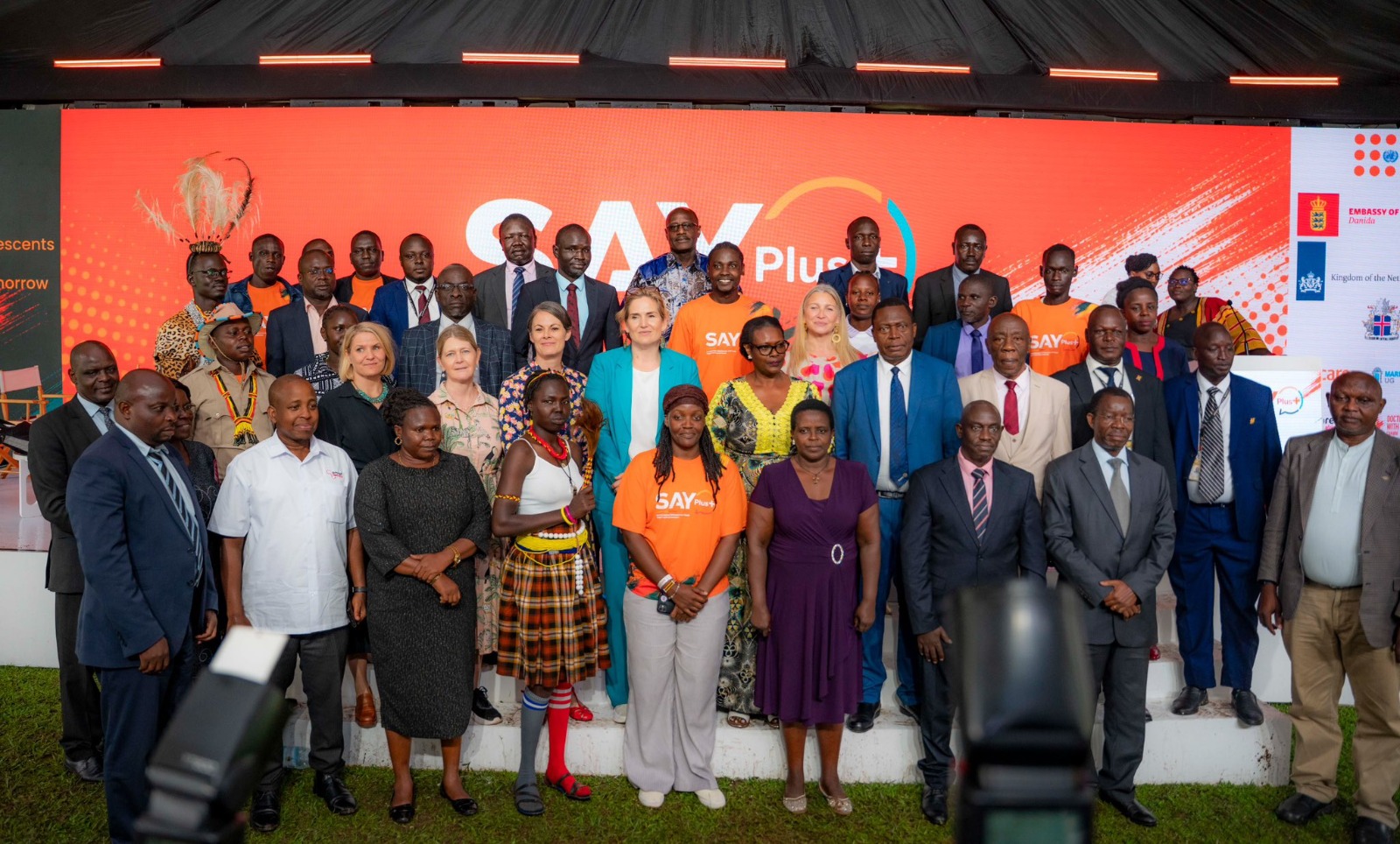
The SAY Plus+ youth Sexual and Reproductive Health (SRH) programme was officially launched on May 7, 2026, at Makerere University Freedom Square. The ambitious USD 50 million initiative, led by the Ministry of Health, aims to expand Sexual and Reproductive Health and Rights (SRHR) services across some of Uganda’s most underserved regions, including West Nile, Karamoja, and Eastern Uganda.
Held under the theme, “My Voice Matters: Youth Voices for SAY Plus+,” and guided by the slogan, “Nothing for us, without us,” the event signaled a major shift toward placing adolescents and young people at the center of health service design and implementation.
A key highlight of the event was the address by Kristine Blokhus, who emphasized the importance of continuity and sustainability in youth health programming. She praised the political commitment supporting sexual and reproductive health initiatives in Uganda, saying:
“We are immensely grateful to your governments for the consistent commitment to the sexual and reproductive health and rights of young people. Thank you for supporting this mission and thank you for understanding its importance.”
Blokhus stressed the need for a self-sustaining legacy through a “train-the-trainer” approach, urging implementing partners and coordinators to ensure knowledge transfer beyond the project cycle.
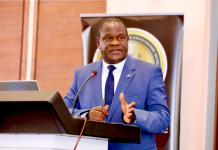
The official transition of SAY Plus+ into full implementation was marked by remarks from Margaret Muhanga, who underscored the need for accountability and long-term impact. She cautioned against short-term interventions that disappear once funding ends and emphasized that the programme must leave a lasting footprint in communities.
Minister Muhanga called for rigorous accountability, insisting that every dollar invested should produce visible and measurable outcomes for Uganda’s youth. She further stressed the importance of building sustainable systems that can continue serving communities long after donor funding concludes.
“For the drive, we need to create sustainability. The people you train must train others. Train others for continuity,” she noted.
The SAY Plus+ initiative is supported through a pooled fund from the governments of Iceland, Denmark, the Netherlands, and Sweden, and is expected to run until 2030. The programme targets more than 2.3 million direct and indirect beneficiaries through the strengthening of youth-friendly health services and community engagement aimed at addressing harmful social norms.
By prioritizing youth participation and institutional sustainability, SAY Plus+ seeks to contribute significantly to Uganda’s Human Capital Development agenda. The atmosphere at Makerere University Freedom Square reflected a shared commitment to ensuring that every young Ugandan has the knowledge, support, and agency to make informed decisions about their health and future.