By Wadulo Arnold Mark
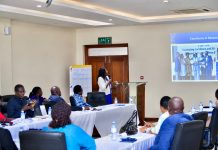
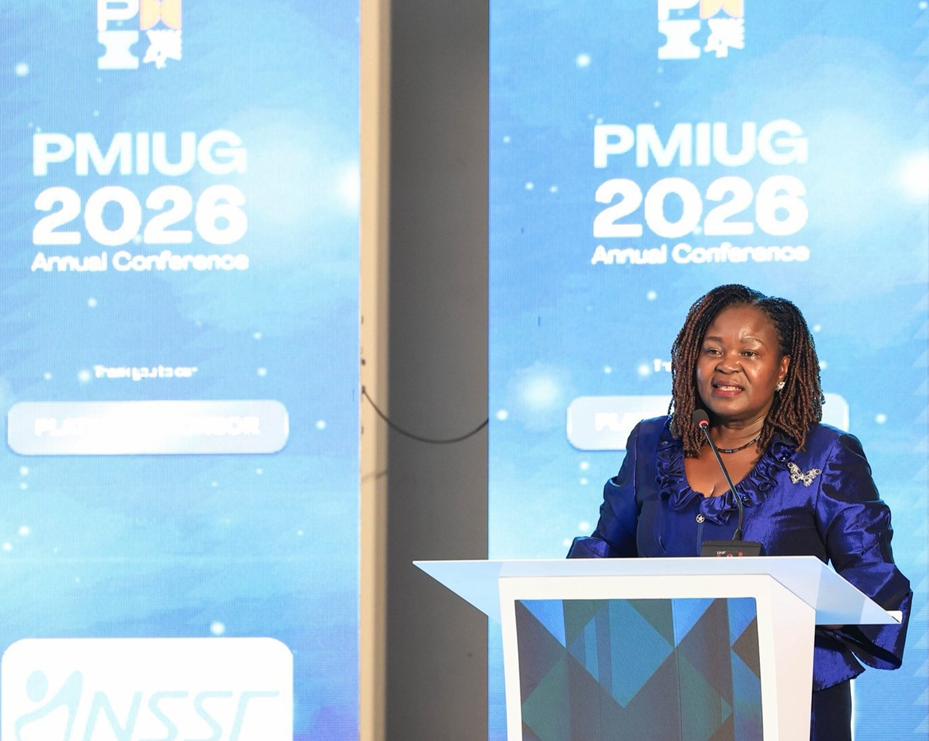
Uganda’s project management community recently gathered at the Mestil Hotel for the 2026 National Project Management Conference. Held on August 7th, the event focused on the theme “Resilient and Sustainable Project Management,” seeking to provide insights into how organizations can effectively align project management practices with strategic objectives to drive long-term national growth.
Key discussions during the conference emphasized the necessity of rigorous multi-year planning. Experts noted that for projects spanning several years, the budget must be consistently accommodated within the Medium Term Expenditure Framework (MTEF) to prevent fund diversion. The gathering reflected on the lessons of the COVID-19 pandemic, where emergency budget cuts stalled critical projects, and highlighted current efforts to “ring-fence” vital national works from such disruptions.
Providing a high-level perspective on the challenges of execution, Presidential Advisor and former Minister of Energy and Mineral Development, Ruth Nankabirwa, urged practitioners to embrace persistence. “Implementation of these projects comes in with very many challenges. So you have to be very very resilient to be able to address the challenges that come along in the implementation of this project,” Nankabirwa stated.
Addressing the technical gaps that often hinder national development, Disan Katabalwa, President of the PMI Uganda Chapter, explained the institute’s commitment to fixing execution failures. He cited Ministry of Finance reports indicating that many projects still suffer from time and cost overruns, as well as “scope creep”. “What we look at as project managers is to work with government entities with private entities to see how we can make that these issues are fixed,” Katabalwa asserted, adding that skilled managers are essential to ensuring that national development plans are executed successfully.
The conference also looked toward future urban development, discussing the launch of successor programs to cover all cities and municipalities with a focus on climate change and low-carbon development. Furthermore, stakeholders identified Uganda’s young population as a premier opportunity for IT-led innovation and research, urging the adoption of the “Build Uganda Buy Uganda” (BUBU) policy to develop the country using local knowledge and resources.
The professional rigor advocated at the event is a direct response to the systemic challenges highlighted in the Inspectorate of Government’s (IG) Bi-Annual Performance Report to Parliament for the period ending December 2025. The IG report detailed inspections of 161 projects, uncovering persistent issues such as poor contract supervision, delayed payments, and the mismanagement of funds regarding the Parish Development Model. A prominent example included a stalled school project in Jinja City where construction ceased due to misappropriation, a failure that the professional standards promoted by the PMI Uganda Chapter are designed to prevent.