
By Wadulo Arnold Mark
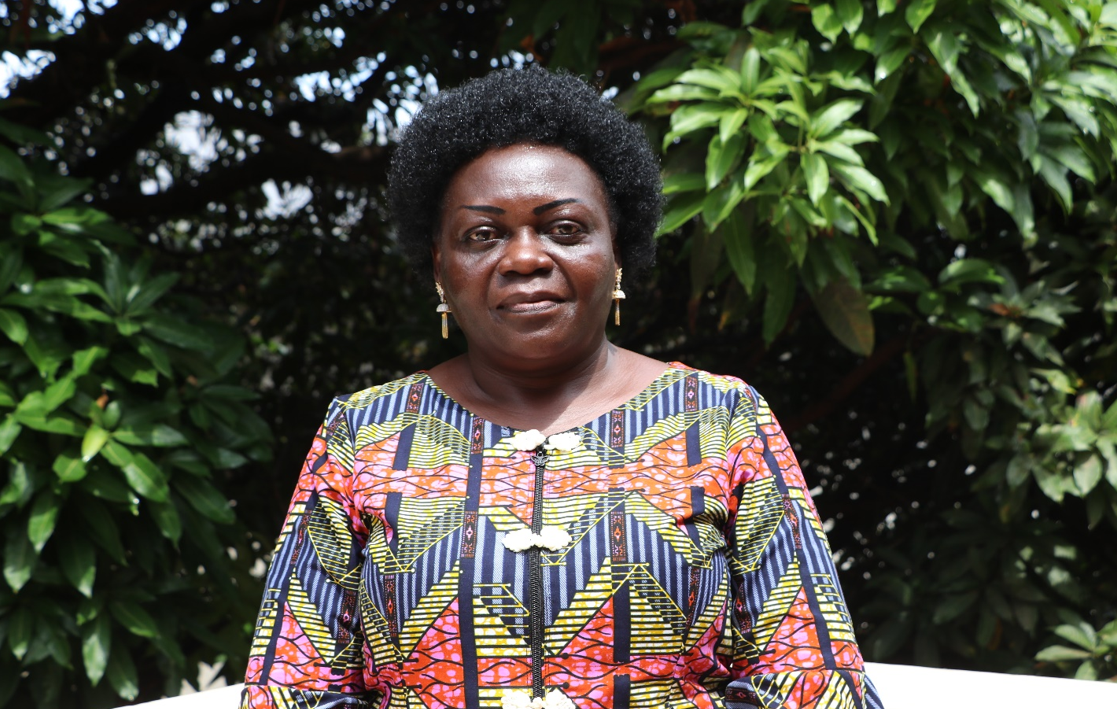
KAMPALA –Following the successful conclusion of the Uganda Parliamentary Internet Governance Forum (UPIGF) on July 30, 2026, Uganda Broadcasting Corporation (UBC) held an exclusive interview with Hon. Sarah Opendi, the UPIGF Chairperson and Executive Committee member of the African Parliamentary Network on Internet Governance (APNIG) .
Hon. Sarah Opendi warns that legislators can no longer afford to sit on the sidelines of technological change. She stressed that a historic knowledge gap has historically left parliamentarians disengaged from crucial technological debates.
APNIG was founded in 2023 precisely because parliamentarians were absent from high-level internet governance conversations, leaving them poorly equipped to handle incoming digital bills.
Giving an account of her tenures in parliament she observed saying “When you have such a law concerning the digital space, most legislators look at it as a very technical piece of legislation and therefore the house is almost empty,” highlighting the urgent need to build capacity so MPs can confidently shape legislation, budgets, and public oversight.
A primary concern for the 12th Parliament is that Uganda’s existing frameworks, such as the Data Protection Act and the Computer Misuse Act, have fallen behind the pace of modern technology. While emerging tools like Artificial Intelligence (AI) offer public service efficiency, they also present substantial risks, especially for a country where close to 75% of the population is young. Opendi noted that although a private member’s bill on AI was previously proposed, the Minister for ICT, Justine Lumumba, pledged that the executive is currently drafting comprehensive amendments to address these legislative gaps. Addressing these shifting dynamics, Opendi stated, “We must be cautious about artificial intelligence or else at the end of the day what do we do with all this human labor.”
Clear targets for the 12th Parliament have been set, urging members to advocate for nationwide digital inclusion and push telecom providers like MTN and Airtel to expand connectivity beyond profitable urban centers. Rather than treating the internet as a luxury, Opendi insisted it must be treated with the same urgency as physical infrastructure. “Look at it as a development matter and handle it the same way you are handling other matters like roads like health centers like education,” she urged fellow lawmakers.
Beyond infrastructure, Opendi emphasized the need to protect national ethical values and safeguard children from online abuse and inappropriate content.
As the continent prepares for the African Internet Governance Forum in Ghana and the Global IGF in Nairobi later this year, she issued a strong reminder to parents and policymakers alike.
“Let technology not replace our parents. Let technology not become the teacher of morals of our children,” Opendi concluded.
The Uganda Parliamentary Internet Governance Forum is supported by the Civil Society Alliances for Digital Empowerment (CADE) project, co-funded by the European Union and implemented by CIPESA and its partners. It aims to build a bridge between civil society, policymakers, and legislators.