
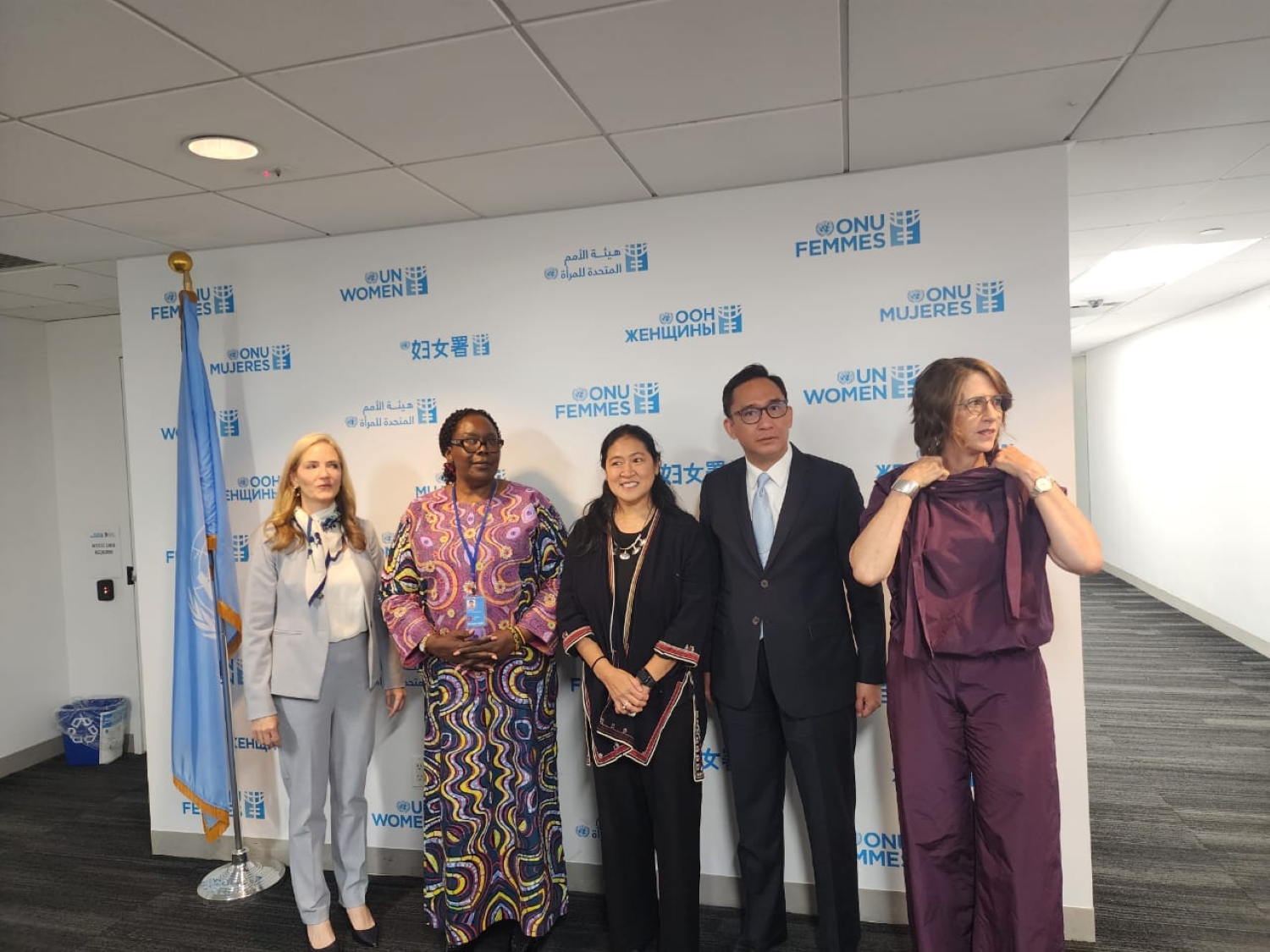
On 23 September 2026, Uganda reaffirmed its dedication to achieving full legal equality for women and girls by 2030 during a high-level side event hosted by UN Women at the United Nations Headquarters in New York. The event took place alongside the 81st session of the United Nations General Assembly and brought together government representatives, UN agencies, civil society, and advocates united against discriminatory laws.
The event focused on persistent legal barriers affecting women’s rights in areas such as citizenship, nationality, inheritance, property ownership, participation in governance, and access to justice. Speakers stressed that legislative reforms must be accompanied by strong implementation, public education, sufficient funding, accountability, and leadership from those directly impacted.
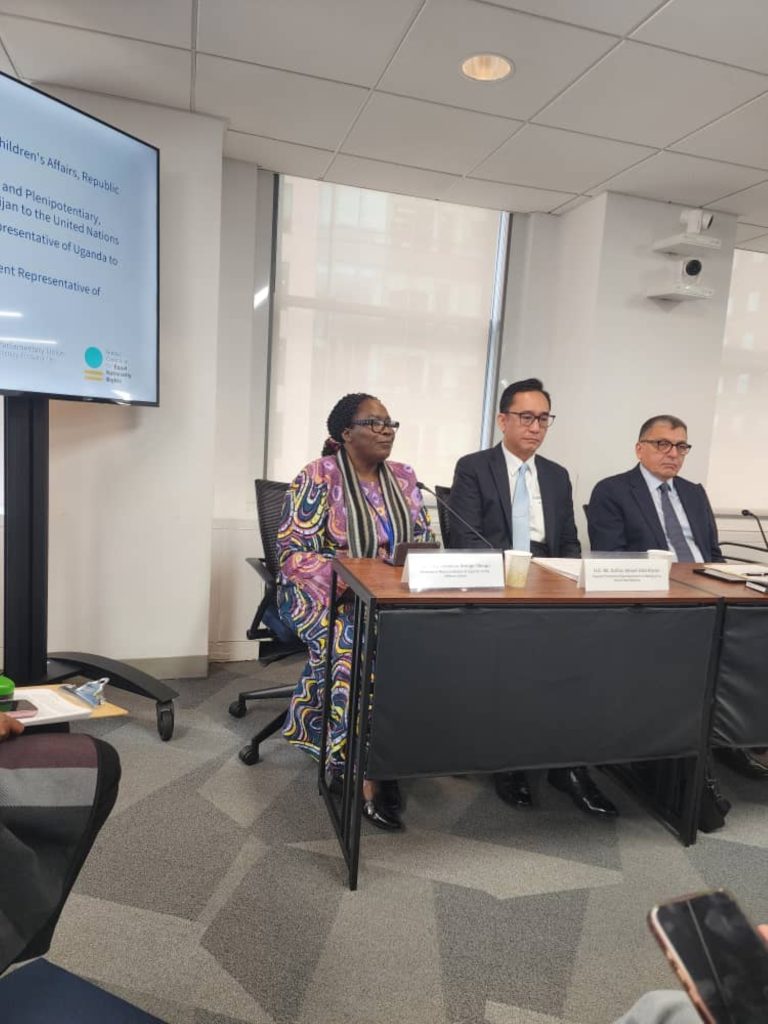
Ambassador Rebecca Amuge Otengo, Uganda’s Permanent Representative to the African Union, spoke on behalf of the Hon Minister of Foreign Affairs, Ambassador Adonia Ayebare. She highlighted Uganda’s constitutional guarantees and recent legal reforms, including the 2022 Succession Amendment Act, which secures equal inheritance rights and protects family residences. Otengo emphasized the critical need to translate these legal advances into practical benefits for women through accessible institutions, effective enforcement, and survivor-centered justice.
Uganda outlined three key priorities to accelerate global progress:
- Reforming discriminatory laws and closing the gap between law and practice by strengthening institutions, financing, and accountability mechanisms.
- Ensuring meaningful participation of women in lawmaking and enforcement, aiming for representation that exceeds minimal quotas.
- Extending legal equality to marginalized groups, including women affected by conflict, women with disabilities, and those living in rural areas.
The event concluded with a shared understanding that legal equality is fundamental to equal citizenship and sustainable development. Achieving this goal depends on women’s leadership, strong institutional action, accountable political will, and ongoing coalition efforts worldwide. The collective mission is clear: turn legal commitments into enforceable rights and tangible improvements in the lives of all women and girls by 2030.