Kinshasa, DR Congo
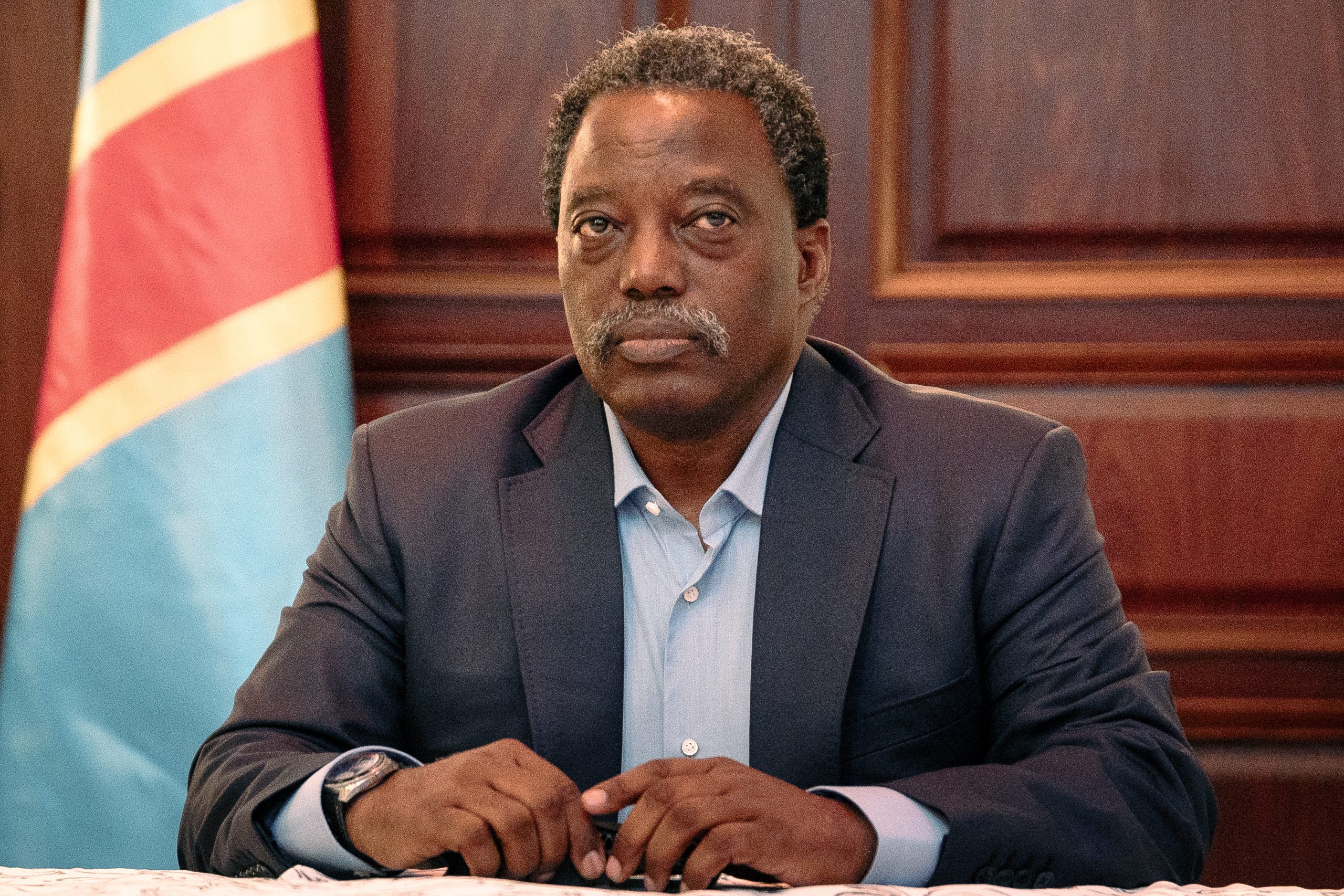
In a surprise move, former DR Congo president Joseph Kabila has taken charge of the rebellion led by the anti-government armed group M23 in the east of the country, raising questions about his military and political objectives with an already uneasy political situation growing more uncertain in Kinshasa.
Rebel chief and warlord?
Kabila, 55, was president of the Democratic Republic of Congo (DRC) from 2001 to 2019.
After several years outside the country, he reappeared in May 2025 in Goma, a major city in the east now controlled by the M23, a group backed by Rwanda and its military. He has since made regular visits to rebel-held territory.
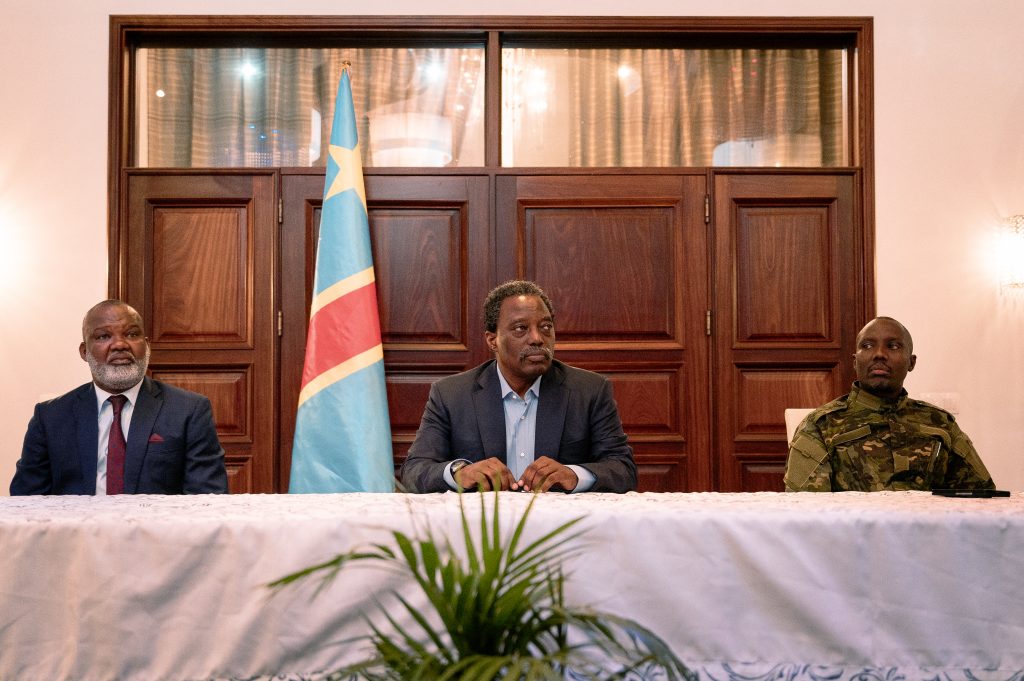
Facing a death sentence for treason and US sanctions for his “financial and political support” of the armed group, Kabila on Monday was proclaimed president of the new Front for the Refoundation of the Nation (FRN).
The FRN, which describes itself as a “political-military movement”, takes over from the M23 and its political wing, the Congo River Alliance (AFC).
“Kabila is no longer happy with simply maintaining ties with the AFC/M23; he is now openly leading a new political-military structure that succeeds it,” Congolese political analyst Tresor Kibangula said.
Leaders from the now-dissolved AFC/M23 platform serve as vice-presidents to Kabila.
His authority over the military command — which has, until now, UN experts say been directed and coordinated from Kigali — remains unclear.
But the FRN’s objective has been clearly stated: “To put an end to tyranny by any means, including force.”
The Congolese government has yet to officially respond.
Objective: Kinshasa?
In early 2025, a dramatic offensive led by the M23 and the Rwandan army in the eastern DRC resulted in the capture of the cities of Goma and Bukavu.
Since then, the front line has stabilised, though fighting continues — at times intense, involving drone strikes and artillery barrages — particularly in South Kivu province.
“I don’t necessarily foresee any short-term shift in the military balance of power, but things could change very rapidly,” Pierre Boisselet, research coordinator at the Congolese institute Ebuteli, said.
A UN expert report published in June highlighted tensions between the political wing of the AFC/M23 — which it said harbours ambitions to seize power in Kinshasa — and the armed wing, whose leadership is largely seen as opposing military operations beyond North Kivu and South Kivu.
According to the UN experts, aligning with Kabila could be a way to obscure Rwanda’s role by giving more credibility to the narrative that the AFC/M23 is a native Congolese movement tackling a “Congolese problem”.
Kigali does not openly acknowledge its presence on Congolese territory, though UN reports say it has provided significant military and logistical support with troops on the ground.
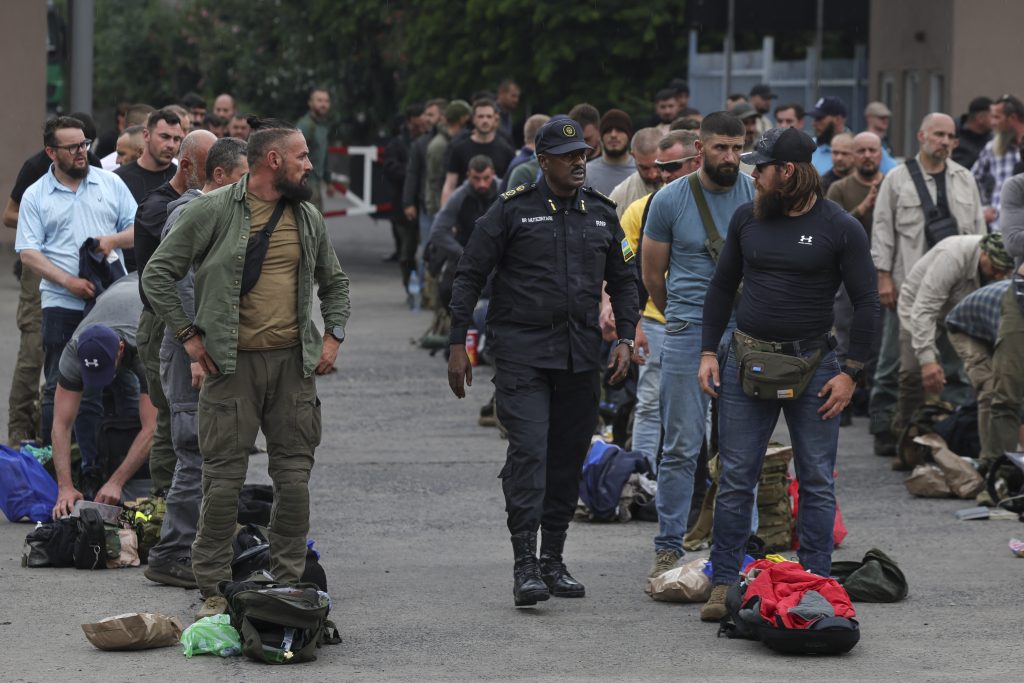
Trapped inside the base for several weeks, these foreign fighters end up being repatriated across the Rwandan border under M23 escort, under the gaze of a spokesperson for the armed group who savors his triumph in front of the cameras.
Romanian or French paramilitaries employed by the company Agemira did nothing to prevent the rout of Kinshasas forces in the face of a better-equipped, better-trained Rwandan army. (Photo by Tony KARUMBA / AFP)
Troublesome opposition figure?
Kabila’s return to the political scene comes at a volatile time.
Opposition rallies in June and September protested against a proposed constitutional amendment that could potentially pave the way for a third term for the current president, 63-year-old Felix Tshisekedi.
Tshisekedi, who succeeded Kabila, reaches the end of his second and constitutionally last five-year term in 2028.
The main opposition coalition has so far kept its distance from Kabila. Kabila himself has expressed support for the opposition, criticising the current administration — in a speech posted online Friday — for being “motivated solely by its own perpetuation in power”.
According to a diplomatic source, there is a risk Tshisekedi’s government may “overreact and launch a wave of arrests” by associating any political dissent with support for the M23 armed group.
Already, defections are growing within Kabila’s PPRD party, which has its headquarters in Kinshasa.
Kabila: A man of peace?
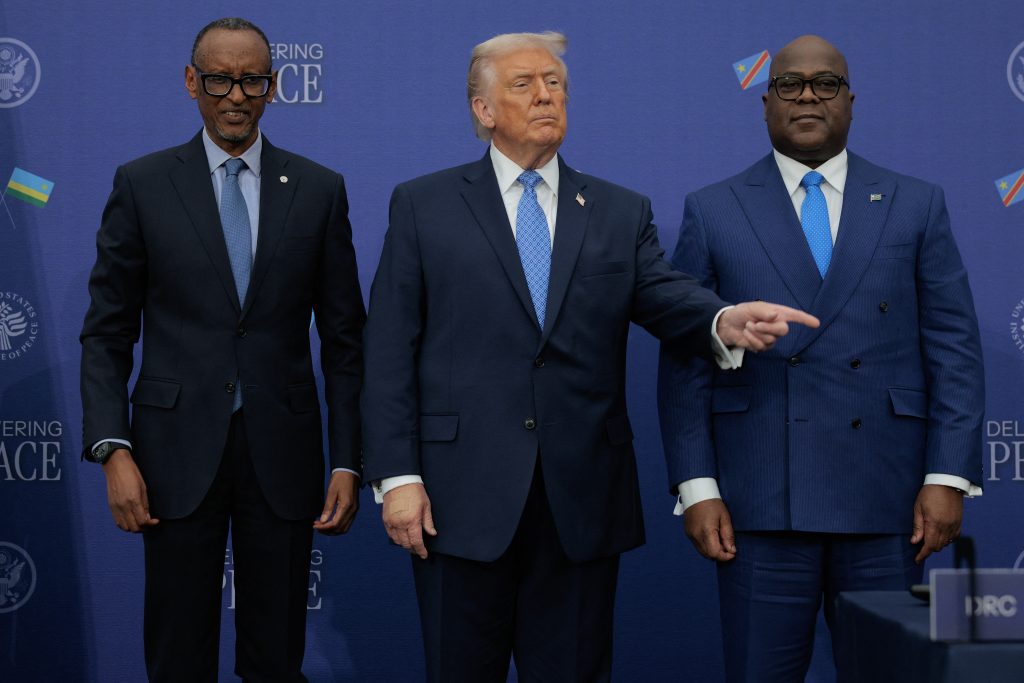
Several mediation efforts are under way to try to end the conflict in the eastern DRC, though none have yielded any concrete results so far.
Since April 2025, the M23 armed group has been engaged in talks with Kinshasa under the guidance of Qatar.
Several diplomatic sources have expressed uncertainty as to whether the discussions can continue following a leadership shake-up within one of the parties.
On Thursday, the new FRN movement said that it would uphold the commitments made in Qatar.
However, there is no guarantee Kinshasa will agree to negotiate with the new rebel leader, who is considered a political pariah.
A stalemate in peace initiatives could also affect the United States, which is sponsoring talks between Kigali and Kinshasa in exchange for the signing of a strategic partnership with the DRC — a deal that would grant Americans access to the central African nation’s vast mineral wealth.