By Mwanje Gideon
The story of Uganda’s independence is often told through the lens of 1962, the year the nation shed its colonial tether to embrace sovereignty. It was then that the Parliament of Uganda was formally established, a structure whose foundation stone had been laid on a hopeful December day in 1956. But the spirit of that house, rooted in the Legislative Council (LEGCO) since 1921, was always waiting for a voice that could match its history. It was waiting for a leader who would not just occupy a chair, but define an era.
On May 24, 1956, just months before that foundation stone was set in the Ugandan soil, a baby girl named Rebecca Alitwala Kadaga was born. She would grow to become the very embodiment of the institution’s dignity. A brilliant mind from the start, Rebecca’s journey through Namasagali College, Makerere University and the Law Development Center was marked by a strong pursuit of excellence. She didn’t just study the law; she mastered it, often topping her classes and leaving an indelible mark on those who witnessed her sharp, articulative legal private practice between 1984 and 1988.
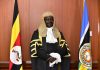
Her transition to the political stage in 1989 as the Woman Member of Parliament for Kamuli District felt less like a career change and more like a calling. She climbed the ranks through various ministerial roles such as Regional Cooperation, Transport, and Parliamentary Affairs but it was within the hallowed halls of the legislature where her light shone brightest. After serving a decade as Deputy Speaker (2001–2011), she rose to become the first female Speaker of the Parliament of Uganda in 2011.
Her tenure was defined by a rare brand of “independence.” Though a staunch supporter of the NRM since her youth, Hon. Kadaga wore the robes of the Speaker as a neutral arbiter. She was the steady hand that accorded opposition leaders time and audience, ensuring the house functioned with fairness and dignity. She was a true legal Don, not a masquerader, mastering the law and procedure so thoroughly that her legislation was rarely declared unconstitutional by a court on procedural grounds.
Her voice echoed in the grandest rooms of the world, from the Commonwealth Women Parliamentarians to the Inter-Parliamentary Union. Her speech in Rome at the Seventh Session of the Consultative Assembly of Parliamentarians for the ICC remains a masterclass in the rule of law. Whether she was receiving the Jubilee Independence Medal or being honored as a Grand Officer of the Republic of Benin, her focus remained on having a better Parliament, bettering people of Kamuli district, emancipation of women and the sovereignty of Africa.
Unlike other ministers, she has always met the people of her constituency on Tuesdays and Thursdays to effectively represent their aspirations.
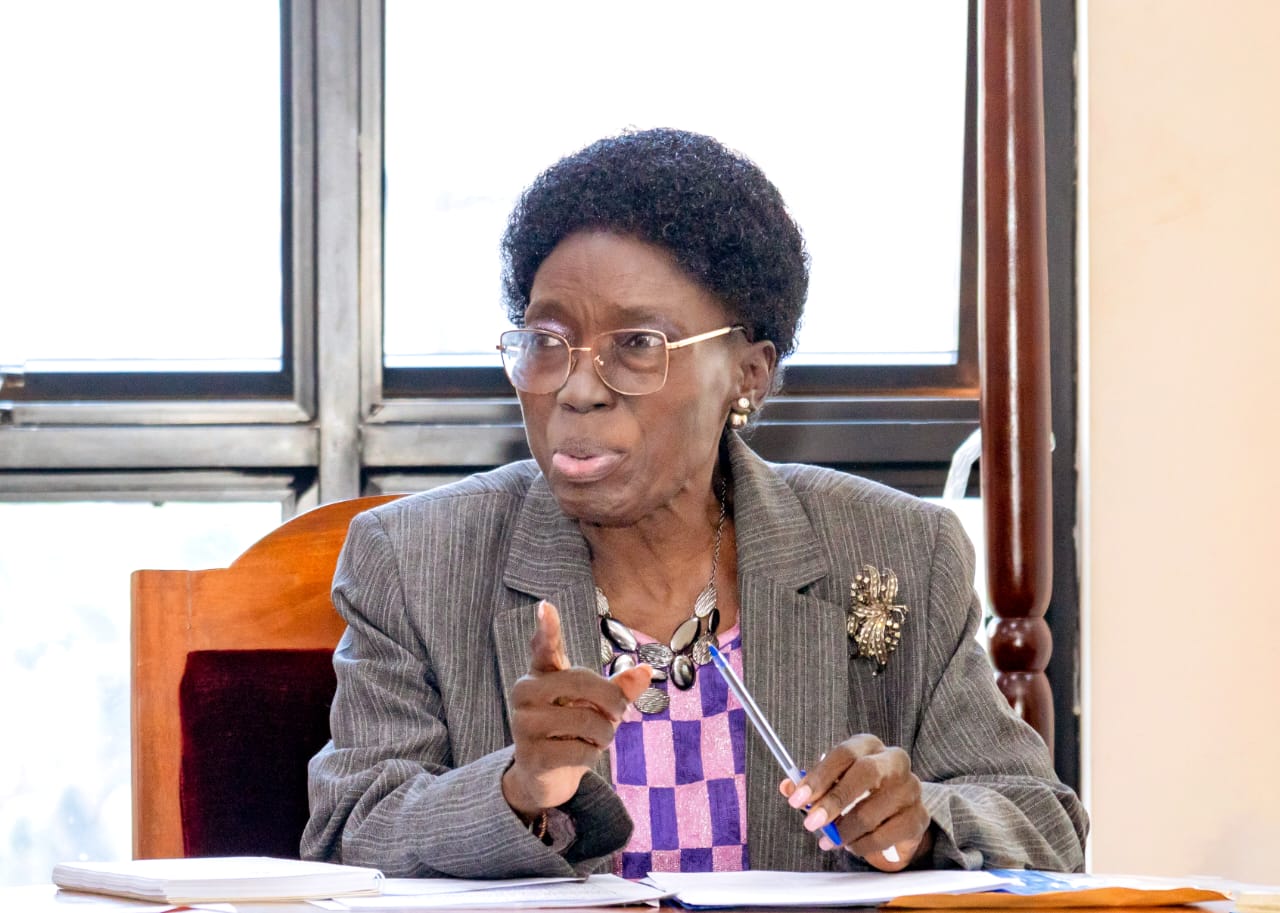
Today, the atmosphere in the house has changed. Hon. Rebecca Kadaga still occupies a seat on the front bench, reserved for cabinet members, while continuing to serve her constituents. But there is a missed, reflective quality to her presence. She sits quietly, watching the current state of affairs with a silence that speaks volumes. It is a silence that invites us to look back at a woman who flew to the highest heights of leadership, yet never lost her grounding.
We should celebrate her now not just for the records she broke, but for the relentless, intelligent, and dignified way she carried the hopes of a young nation on her shoulders. She remains the pioneer who showed us what it means to be neutral and lead beyond self.