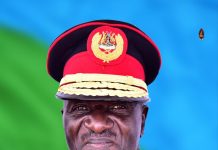
The Secretary- Office of the President, Hajji Yunus Kakande, has cautioned Resident District Commissioners (RDCs), Resident City Commissioners (RCCs) and other government field officers against indiscipline, urging them to uphold professionalism, respect institutional hierarchy and remain committed to effective public service.
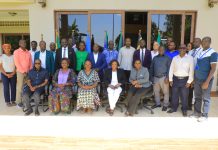
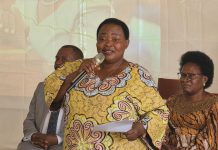
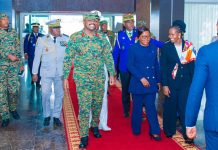
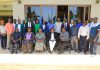
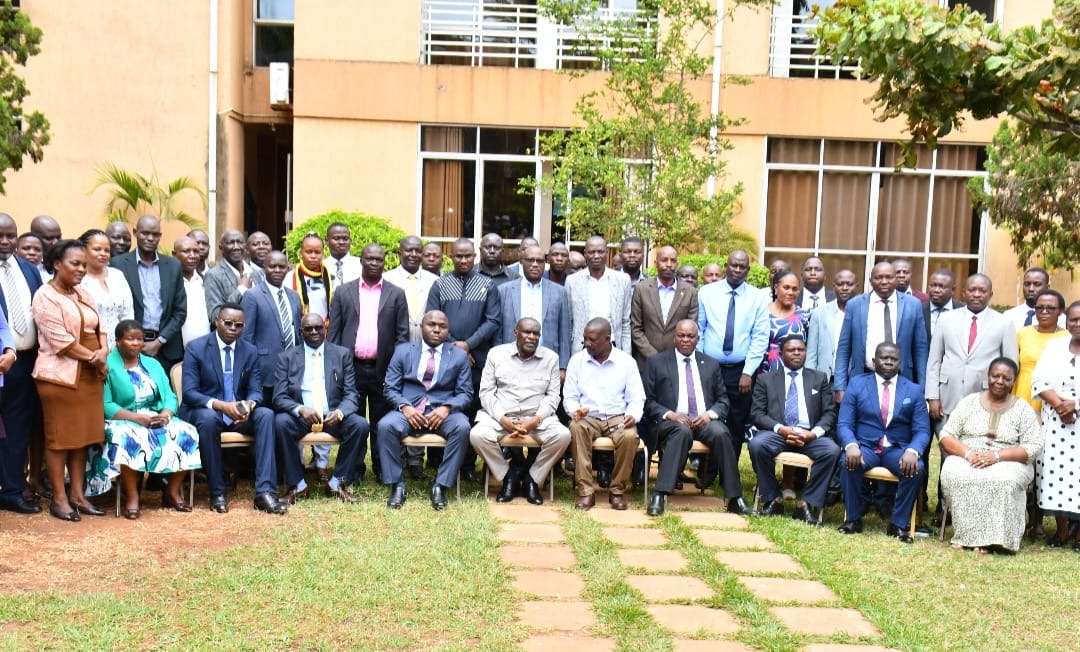
Hajji Kakande made the remarks on Monday, August 17, 2026, while officiating at the opening of a three-day capacity-building workshop for RDCs/RCCs, Deputy RDCs/RCCs, Assistant RDCs/RCCs, Regional Internal Security Officers (RISOs) and District Internal Security Officers (DISOs) in Busoga Sub-region, held at the Source of the Nile Hotel in Jinja City.
He said indiscipline has no place in the Presidency and warned government officials against conduct that undermines authority, teamwork and effective administration.
“Indiscipline will not be accepted in the Presidency. The indiscipline I have seen these days, We shall not allow it. You should respect your elders. Why should you create anarchy?” Hajji Kakande said.
He urged the officers to maintain punctuality, discipline and respect for institutional hierarchy, noting that respect for senior leaders and colleagues is essential for effective management.
“We must respect our seniors. People no longer respect ministers,” he said.
Drawing from his long experience in public service, Hajji Kakande said officers who disregard their leaders or colleagues often struggle to succeed in public service.
“I have worked in the government for so many years. If you must succeed as individuals, you must respect others. People who have shown no respect for their leaders or colleagues have not survived long,” he said.
He advised the officers to regard discipline as a foundation for career growth and effective service to citizens.
“I am speaking as a parent: please be disciplined. You don’t lose anything when you have discipline,” he added.
Hajji Kakande challenged RDCs and other government representatives to go beyond occupying offices and instead actively identify obstacles affecting service delivery in their respective areas.
He said monitoring and ensuring the proper implementation of government programmes and projects should remain among the key responsibilities of RDCs.
“You are not in these positions merely to occupy office. Identify challenges and provide accurate and timely solutions,” he said.
He urged RDCs to closely monitor government projects and establish whether they are being implemented according to approved specifications, standards and timelines.
“Establish whether the project is being implemented well. Check the specifications and standards. Is the contractor performing as required?” he asked.
Hajji Kakande said RDCs should ensure that project validations are genuine and that the quality of completed works meets the required standards. He further urged them to mobilise stakeholders and take action whenever they identify challenges within projects under their jurisdiction.
Citing the construction of seed schools, he said some projects have stalled because contractors without adequate capacity were awarded contracts.
“The President gave you powers to oversee government projects, including ensuring that projects meet the required standards before they are opened or commissioned,” he said.
Hajji Kakande also tasked RDCs and security officers with ensuring that government poverty-reduction programmes reach their intended beneficiaries.
He cited the Parish Development Model (PDM) and Emyooga as key initiatives designed to improve household incomes and create economic opportunities for Ugandans.
“Your responsibility is to make sure that the intended beneficiaries and targets are reached,” he said.
He urged the officers to protect government programmes from corruption and other forms of abuse, advising them to use DISOs to establish how funds allocated to various programmes are being utilised.
Hajji Kakande encouraged leaders to use government programmes and other available opportunities to address poverty rather than allowing young people to remain trapped in political activities and idleness.
“There is no money for nothing. Young people should desist from politicking. Right now, politics should stop and people should work. They will go back to politics in 2031,” he said.
He argued that sustainable prosperity would come from productive work, entrepreneurship and investment rather than political handouts.
Hajji Kakande also challenged leaders and residents of Busoga to take advantage of the region’s agricultural potential, particularly by embracing high-value crops such as coffee.
He noted that President Yoweri Museveni has repeatedly set an ambitious national target of producing 20 million bags of coffee annually by 2030.
Hajji Kakande said sugarcane farming, while important to the region’s economy, may not always provide the same returns as higher-value agricultural enterprises.
“Why don’t you go to coffee for high returns? Coffee farmers in areas like Masaka are prospering. If people with land embrace coffee growing, this country will get richer,” he said.
He cited Brazil as an example of a country that has leveraged agriculture as a major driver of economic development.
Hajji Kakande also recalled the migration of Bakiga from Kabale to other parts of Uganda in search of land and opportunities, saying their experience demonstrates how communities can transform their livelihoods by embracing productive economic activities.
“In the 1990s, I’m the one who took the Bakiga to Kakumiro where they created opportunities,” he said.
He said Busoga has enormous economic potential and noted that the sub-region was historically among Uganda’s most developed areas.
“In the 1960s, Busoga was next to Buganda in terms of development, but now it is a different story,” he said.
He attributed part of the region’s earlier prosperity to agricultural production, particularly coffee and groundnuts, and called for a mindset shift to revive productive enterprise.
He urged RDCs and other government representatives to work closely with communities to drive socio-economic transformation.
“As leaders, you should be champions for this transformation. Skills, natural resources and industrial resources must be used to create jobs,” Hajji Kakande said.
Leaders urged to safeguard peace and security:
Hajji Kakande stressed that meaningful socio-economic transformation cannot take place without peace and responsible leadership.
He urged RDCs, RCCs and security officers to ensure that security structures work together to address emerging threats.
“You have to be on the lookout all the time,” he said.
He said Uganda had emerged from an intense political and electoral period and called on government representatives to consolidate peace and focus on socio-economic transformation.
“We have just come through a period of intense politics and elections. We should now ensure that we maintain peace and security and socio-economic transformation,” he said.
Hajji Kakande also commended RDCs and other government representatives for their role in supporting the government during the recent electoral period.
“I thank you for making sure that the government comes back to power. You did a good job,” he said.
He called for concerted efforts to combat idleness and drug abuse among young people while creating opportunities for them to study, acquire skills and participate constructively in society.
The Assistant Commissioner, Finance and Planning at the Office of the President, Hajji Sadat Kisuyi, took participants through a session on results-based planning and reporting.
He said substantial government resources are allocated annually to ensure that goods and services are delivered to citizens, stressing the importance of transparency and effective monitoring.
“Why that level of transparency? It is to ensure that you are able to monitor whether the resources are well utilised in your respective areas,” he said.
Hajji Kisuyi urged RDCs and other field officers to take responsibility for monitoring government programmes in their areas rather than waiting for senior officials to intervene.
“You should do your part. You shouldn’t wait for Hon. Balaam to come unless you are not in charge,” he said.
He explained that government interventions and resources should ultimately translate into tangible improvements in people’s lives, including poverty reduction, sustainable economic growth and improved quality of life.
“They should be able to improve the well-being of the people, reduce poverty, promote sustainable economic growth and improve quality of life. These results shall ultimately lead to a long-term development impact,” he said.
Hajji Kisuyi emphasised that effective planning and performance management should focus on the entire results chain, ensuring that public resources lead to tangible and sustainable improvements in communities.