By Sarah Natoolo
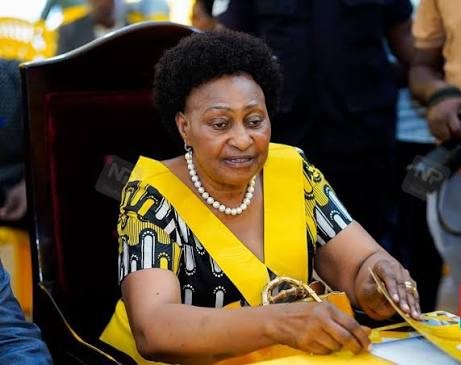
Minister of State for Elderly Affairs in the Ministry of Gender, Labour and Social Development, Jacqueline Mbabazi, has outlined the transformative benefits of supporting older women and men through Uganda’s expanding social protection programmes, saying the Government is committed to ensuring every older person lives with dignity, independence and hope.
She stressed that for many older Ugandans, growing old once meant facing uncertainty, poverty and dependence. Years of hard work often ended with limited opportunities to earn an income, leaving many elderly women and men vulnerable to hunger, illness and social exclusion.
According to Mbabazi, Uganda is steadily changing that narrative through a growing commitment to social protection that is restoring dignity, improving livelihoods and giving hope to older persons across the country.
The Government of Uganda has made significant progress in expanding social protection as a key pillar of inclusive development. At the centre of this effort is the Senior Citizens Grant (SCG), a flagship programme under Uganda’s social protection system that now reaches eligible older persons in every district. The monthly income support enables beneficiaries to meet basic needs such as food, medicine, clothing and other household necessities while reducing dependence on family members.
Mbabazi noted that every monthly payment represents far more than financial assistance.
“Social protection is not charity. It is an investment in human dignity, social justice and inclusive national development. Through the Senior Citizens Grant and other interventions, Government is ensuring that older persons live with dignity, independence and hope. We remain committed to strengthening these programmes so that every eligible older Ugandan benefits from the protection they deserve.”
The nationwide rollout of the Senior Citizens Grant demonstrates Government’s commitment to ensuring that no older Ugandan is left behind. It reflects recognition, respect and appreciation for citizens who have spent decades contributing to Uganda’s development.
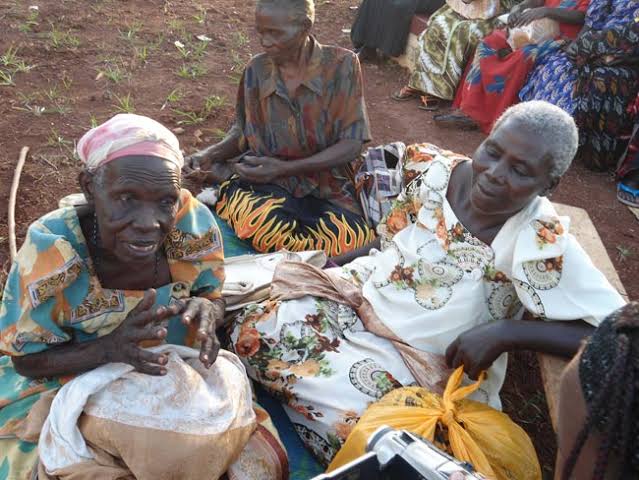
Older women remain particularly vulnerable because many have spent decades engaged in unpaid care work, informal employment and subsistence agriculture without access to pensions or retirement income. Many are widowed and continue caring for grandchildren and other dependants despite advancing age.
Older men also face growing challenges, including declining health, reduced employment opportunities and increasing financial insecurity after leaving active work. For both women and men, the Senior Citizens Grant provides critical financial support that improves their quality of life.
Across Uganda, beneficiaries use the monthly grant to buy nutritious food, access healthcare, purchase essential medicines, pay school requirements for grandchildren, invest in small income-generating activities and participate more actively in community life. Beyond improving household welfare, the programme stimulates local economies as beneficiaries spend their grants within their communities.
Hon. Mbabazi said Uganda’s social protection agenda aligns with the country’s broader development priorities by reducing poverty, improving health outcomes and promoting social inclusion. As Uganda’s population continues to age, strengthening systems that protect older citizens remains essential for sustainable national development.
Commissioner for Elderly Affairs, Prosper Muhumuza, said the expansion of the Senior Citizens Grant reflects years of sustained Government commitment and partnership aimed at building a comprehensive social protection system.
“The national rollout of the Senior Citizens Grant marks an important milestone in Uganda’s social protection journey. Older persons are now better protected against extreme poverty, and many have regained confidence because they can meet some of their daily needs independently. Beyond the cash transfer itself, the programme restores dignity and strengthens the social fabric within families and communities.”
Muhumuza added that the Ministry, continues to strengthen programme implementation through improved registration systems, enhanced payment mechanisms and greater community awareness to ensure eligible beneficiaries are reached efficiently and transparently.
Dr. Frederick Ouma Bwire of the Social Protection Programme Unit (SPPU) said evidence consistently demonstrates that social protection delivers measurable social and economic benefits beyond individual households.
“Evidence consistently shows that social protection improves food security, access to healthcare and household wellbeing. Older persons who receive regular income support are more likely to access essential services and contribute positively to their families and communities. The impact extends beyond beneficiaries because the resources circulate within local economies, supporting markets and livelihoods.”
He explained that the Senior Citizens Grant forms part of Uganda’s broader strategy to build resilience among vulnerable populations while promoting inclusive economic growth.
Success stories from communities across Uganda continue to demonstrate the transformative impact of the programme. Older women and men who once depended entirely on relatives are regaining independence, reviving small businesses, managing chronic illnesses more effectively, purchasing essential medicines and supporting grandchildren’s education.
As Uganda continues strengthening its social protection system, the Senior Citizens Grant stands as a testament to the Government’s commitment to leaving no one behind. By investing in older women and men, Uganda is investing in stronger families, more resilient communities and a more inclusive future where ageing is associated not with poverty and despair, but with dignity, security and hope.
Uganda has approximately 2.3 million older persons, aged 60 years and above , forming about 5 percent of the total population , based on the National population and housing Census 2024 , conducted by the Uganda Bureau of statistics .