Copenhagen, Denmark: Uganda and Denmark are exploring a Government-to-Government cooperation framework aimed at strengthening Uganda’s firefighting, fire prevention and emergency rescue capacity.
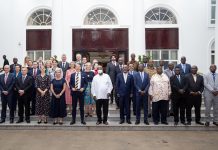
The discussions have gained momentum following a technical fact-finding visit by a Ugandan delegation to firefighting and emergency response institutions in Denmark.
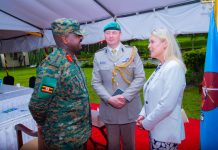
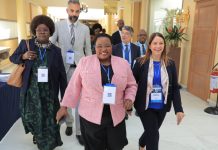
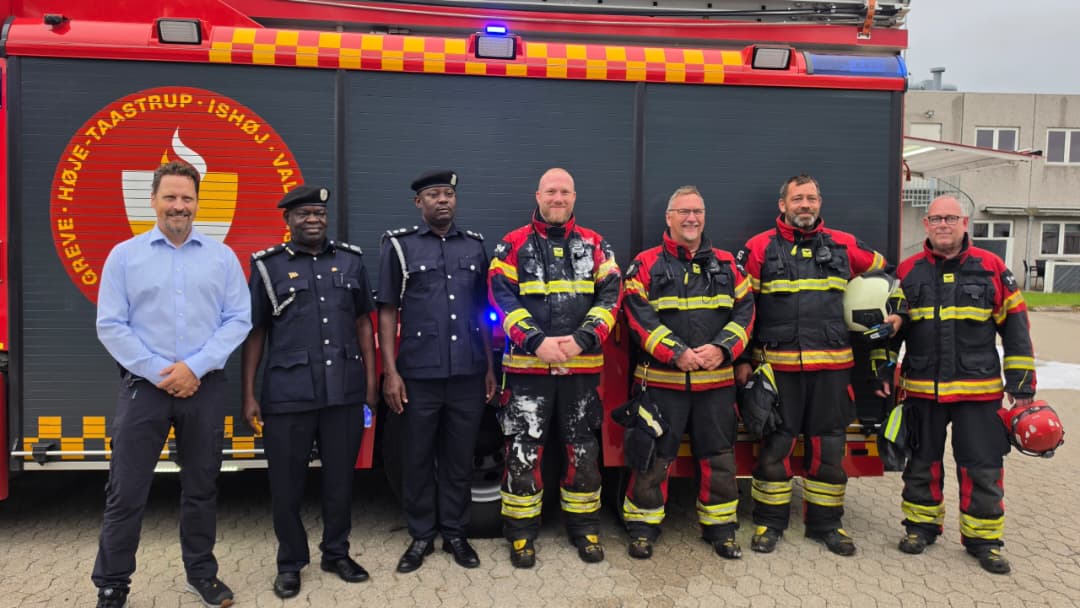
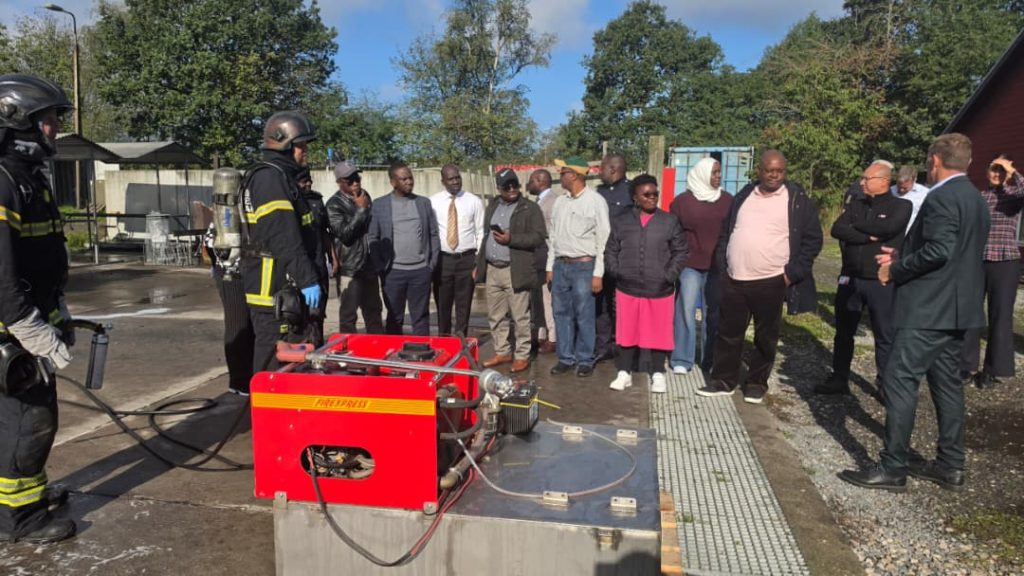
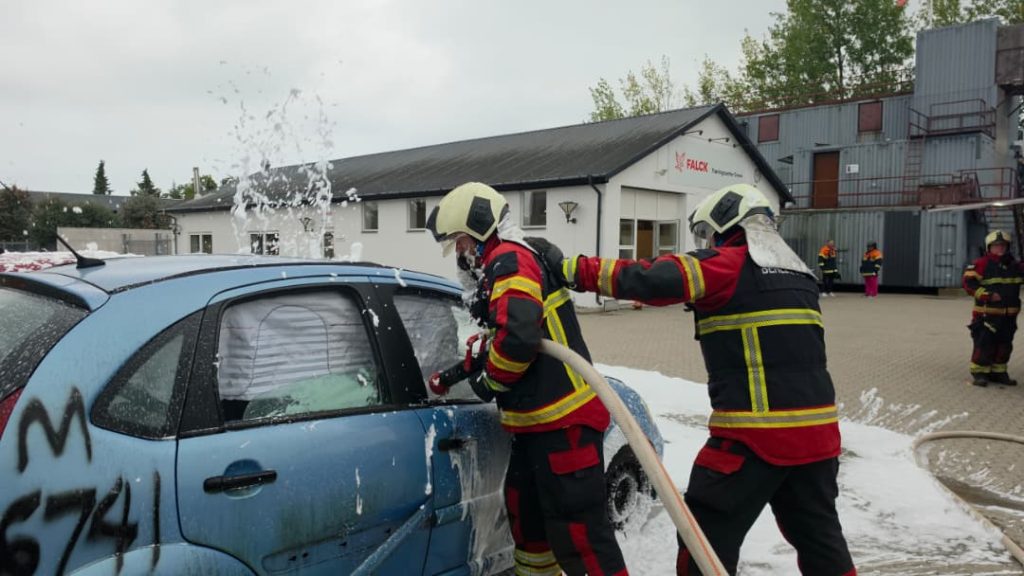
The delegation visited Falck Fire Denmark and the Franck Fire Training School in North Zealand, where officials were taken through firefighting and rescue operations, emergency preparedness, specialised equipment, training and command systems.
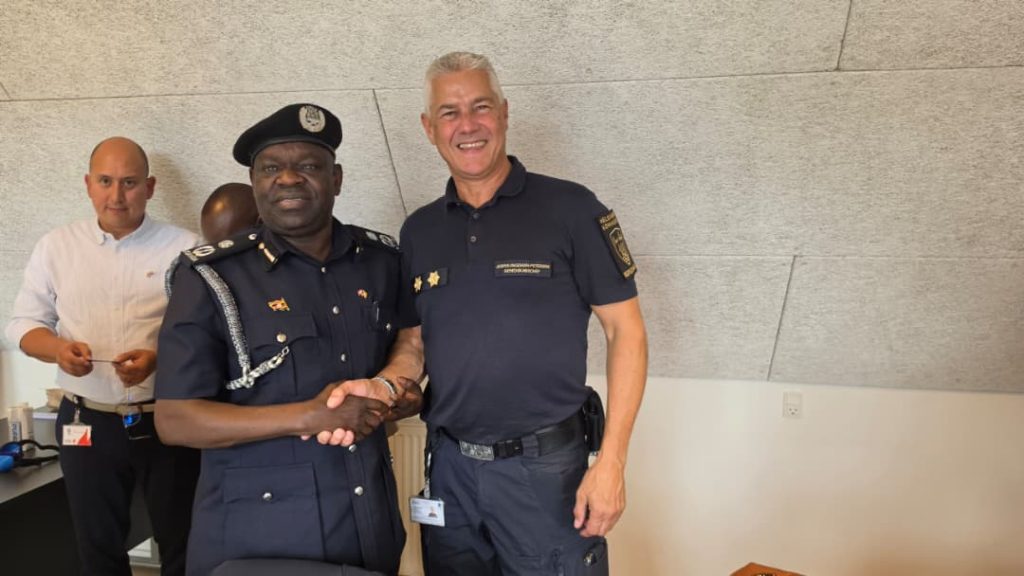
The visit was coordinated by the Embassy of Uganda in Copenhagen under Ambassador Margaret M. Otteskov.
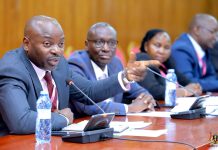
Officials from the Office of the Prime Minister, Ministry of Finance, Ministry of Works and Transport, Ministry of Local Government, Ministry of Internal Affairs and Ministry of Energy and Mineral Development are among those taking part.
The delegation also includes officials from the Uganda Police Force, Public Private Partnerships Unit and Uganda Investment Authority.
According to the Embassy, the visit is intended to identify areas that could form the basis of a structured partnership between Uganda and Denmark rather than remain a conventional study tour.
Areas under consideration include training Ugandan firefighters, modernising fire and rescue services, improving emergency command and coordination, acquiring specialised equipment and strengthening fire prevention and risk management.
The two countries are also exploring cooperation in industrial fires, hazardous materials, high-rise rescue and emergency preparedness for the petroleum sector.
The initiative comes as Uganda prepares for commercial oil production and continues to expand industrial, transport and other major infrastructure projects.
The Tilenga and Kingfisher oil projects, together with the East African Crude Oil Pipeline, are expected to increase the need for specialised emergency response around oil fields, pipelines, storage facilities and surrounding communities.
Earlier discussions coordinated by the Embassy also considered possible Danish investment in fire prevention and rescue services under a Government-to-Government arrangement.
An indicative investment framework of between 50 and 70 million euros has been discussed, although this remains subject to feasibility studies and the identification of priority areas.
Ambassador Otteskov said stronger emergency response systems would be important as Uganda attracts investment into petroleum, manufacturing, transport and urban development.
“The Embassy is working to ensure that Uganda–Denmark relations translate into practical partnerships that strengthen Uganda’s institutional capacity, protect lives and property, and support investment,” Otteskov said.
She said modern emergency response systems would become increasingly important as Uganda moves into a new phase of industrial and petroleum development.
Following the visit, Ugandan and Danish officials are expected to continue technical discussions to identify gaps in Uganda’s fire and rescue services and determine which Danish systems could be adapted for use in Uganda.
The talks are also expected to consider training programmes, equipment and infrastructure requirements, financing options and possible pilot projects before proposals for a formal Uganda–Denmark cooperation framework are developed.