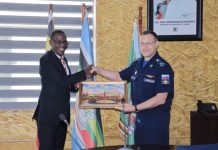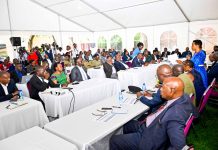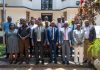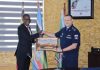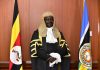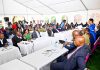
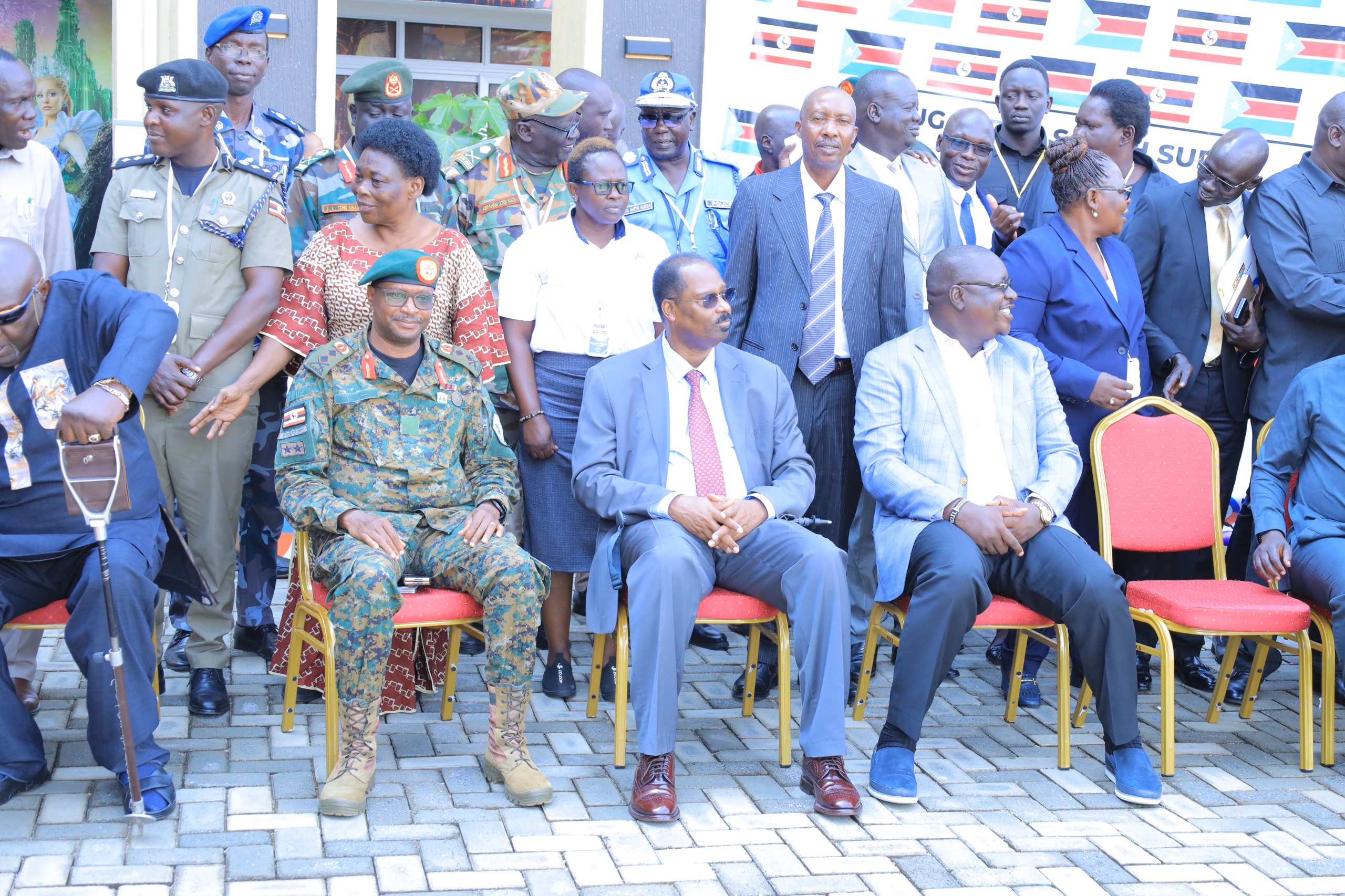
Uganda Embassy in Juba, in collaboration with the Ministry of Foreign Affairs and other Ministries, Departments and Agencies, has today commenced the Uganda-South Sudan Joint Border Bilateral Meetings at L’Hotel Le Confidentiel Arua, to discuss a range of issues affecting bilateral cooperation between the two countries.
This two-day high-level engagement is convened to operationalize the July 2025 directive issued by H.E. Yoweri Kaguta Museveni, President of the Republic of Uganda, and H.E. Salva Kiir Mayardit, President of the Republic of South Sudan. The directive calls for the institutionalization of regular joint border engagements as a mechanism to deepen and sustain bilateral cooperation.
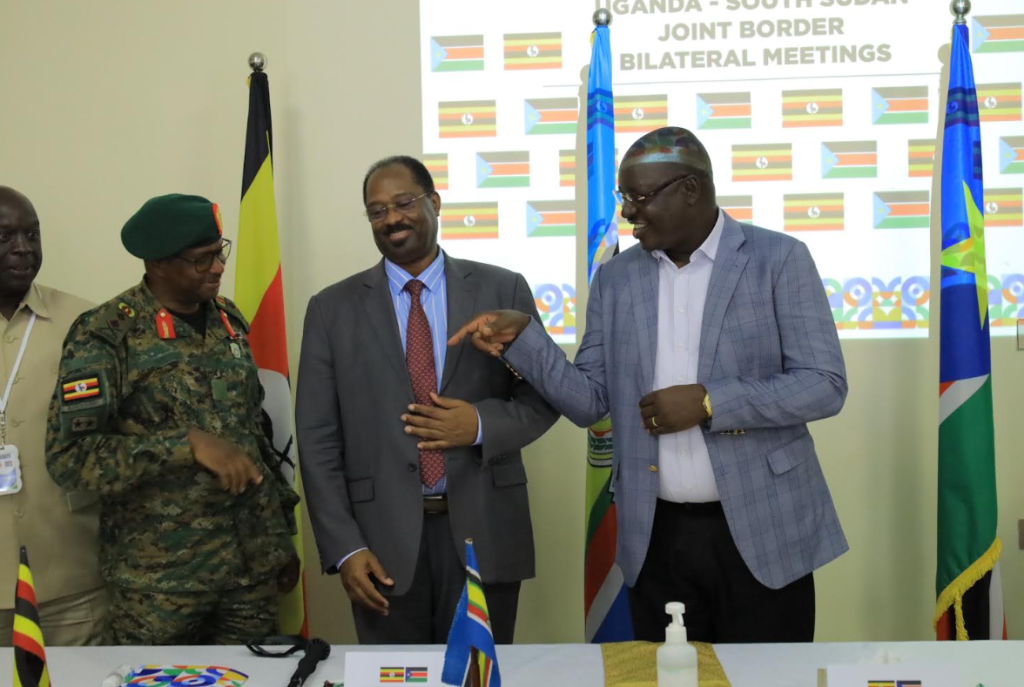
The engagements aim to translate policy commitments into tangible outcomes on trade, security, and community relations along the shared border. The meetings will promote peaceful co-existence through structured community dialogue, facilitate trade by resolving tariff and non-tariff barriers, strengthen border security through coordinated intelligence and joint patrols to counter cross-border crime, and streamline customs and immigration procedures in line with EAC protocols and bilateral agreements.
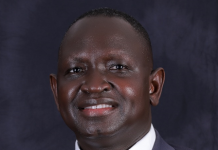
Amb. Brig. Gen. Ronnie Balya, Uganda’s Ambassador to South Sudan and Leader of the Uganda Delegation, stated that the joint meetings are vital to advancing bilateral trade and cooperation. He underscored the need to resolve border challenges and ensure that policies reflect the lived realities of communities.
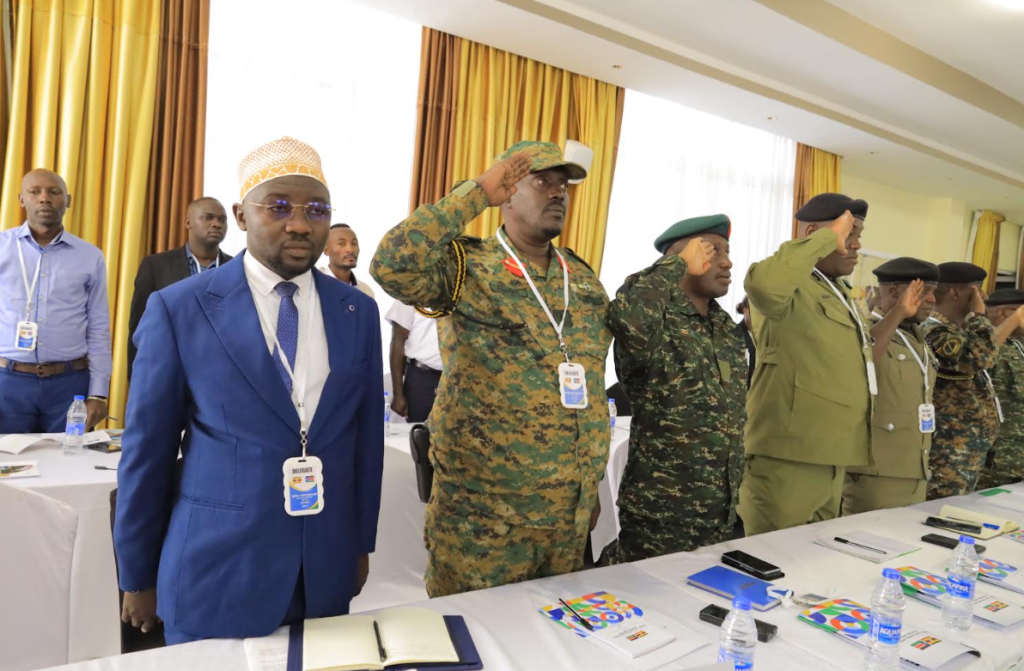
He identified four key priorities for the meeting: enhancing trade and economic cooperation with a focus on market access and standards; improving customs and revenue administration for efficient cargo clearance; promoting security and stability through joint patrols and intelligence exchange; and strengthening migration and social services, including lawful movement, health surveillance, and refugee management.
He also called for a lasting solution to border provocations that have occasionally led to deadly exchanges between the Ugandan and South Sudanese security forces. He said a joint technical committee has been established to look into the border issues, with a deadline of resolving borderline disputes by 2027. However, the work has been slow due to inadequate funding to complete the exercise.
H.E. Anthony Emmanuel Adil, Governor of Central Equatorial State/Juba and Head of the South Sudan Delegation, emphasized the need to accelerate the implementation of the directives of the Presidents of Uganda and South Sudan. He stated that decisive action on outstanding issues will reinforce bilateral cooperation and deliver tangible benefits to both peoples. Governor Adil further reaffirmed the importance of regular engagements at the local and national levels to address matters affecting the livelihoods and well-being of border communities.
During the meeting, officials from both countries will develop clear resolutions and a comprehensive roadmap aimed at addressing bottlenecks along the border and instituting measures to facilitate the seamless movement of goods along the Central and West Nile corridors.
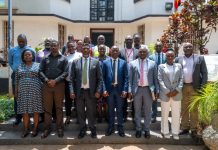
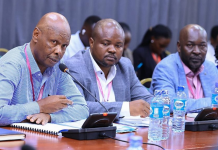
The delegations comprise senior officials from relevant Ministries, Departments and Agencies, including Foreign Affairs, Trade, Defence, Internal Affairs, Justice, Lands, and Revenue Administration. The meeting is also attended by local leaders from border districts, states and counties, as well as security and intelligence officials and representatives of the private sector.
South Sudan is Uganda’s third-largest export market, with trade focused on manufactured goods, food products, and construction materials. In return, Uganda imports livestock, hides and skins, gum arabic, sesame, metals, and petroleum products from South Sudan. During peak periods, in excess of 600 cargo trucks cross the Elegu/Nimule and Oraba/Kaya borders daily. This trade is a critical source of livelihood for over 4 million people in border communities on both sides.