By Catherine Nambi
The government of Uganda has been challenged to fast track the ratification, domestication and implementation of the Inter Government Authority on Development (IGAD) free movement protocol.
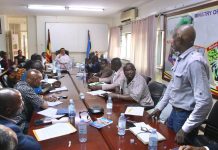
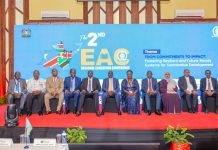
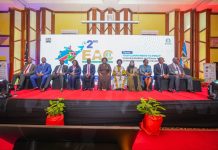
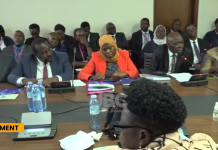
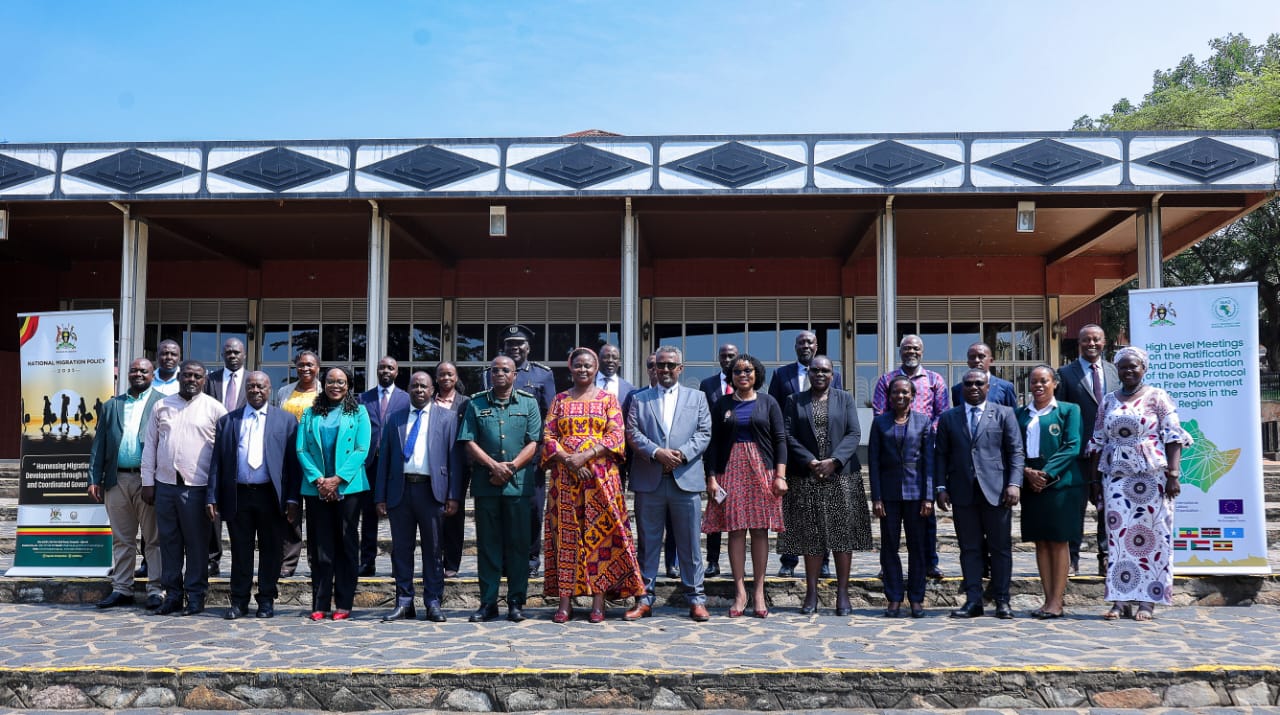
This was during the ongoing IGAD consultative meeting with government of Uganda stakeholders to advance the ratification and domestication of the protocol.
Stakeholders are currently meeting in Entebbe to develop a cabinet memorandum on Uganda’s ratification of the IGAD protocol on free movement of persons which will be presented to government for consideration.
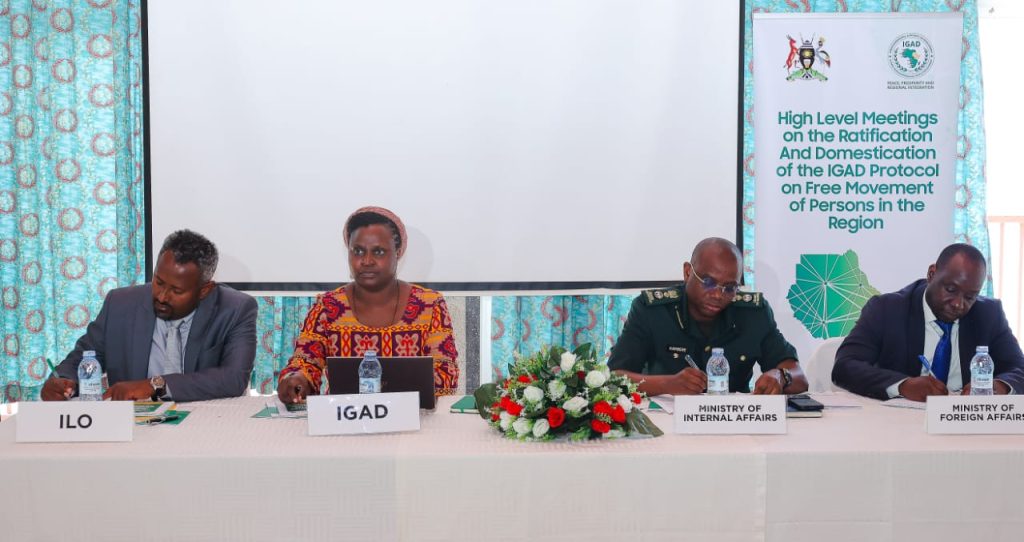
While opening the three day meeting running from 21st to 23rd July, the head of IGAD mission to Uganda Joselyn Bigirwa emphasized that the successful ratification of the IGAD protocol has the potential to reshape migration patterns and economic interactions among IGAD member states including Uganda, Kenya, Sudan, South Sudan, Ethiopia, Eritrea, Djibouti and Somalia.
Bigirwa said, “Regional integration is central to IGAD’s vision of promoting peace, prosperity, and cooperation among our Member States. As our region becomes increasingly interconnected through trade, labour mobility, and investment, secure and inclusive identity management systems have become indispensable.”
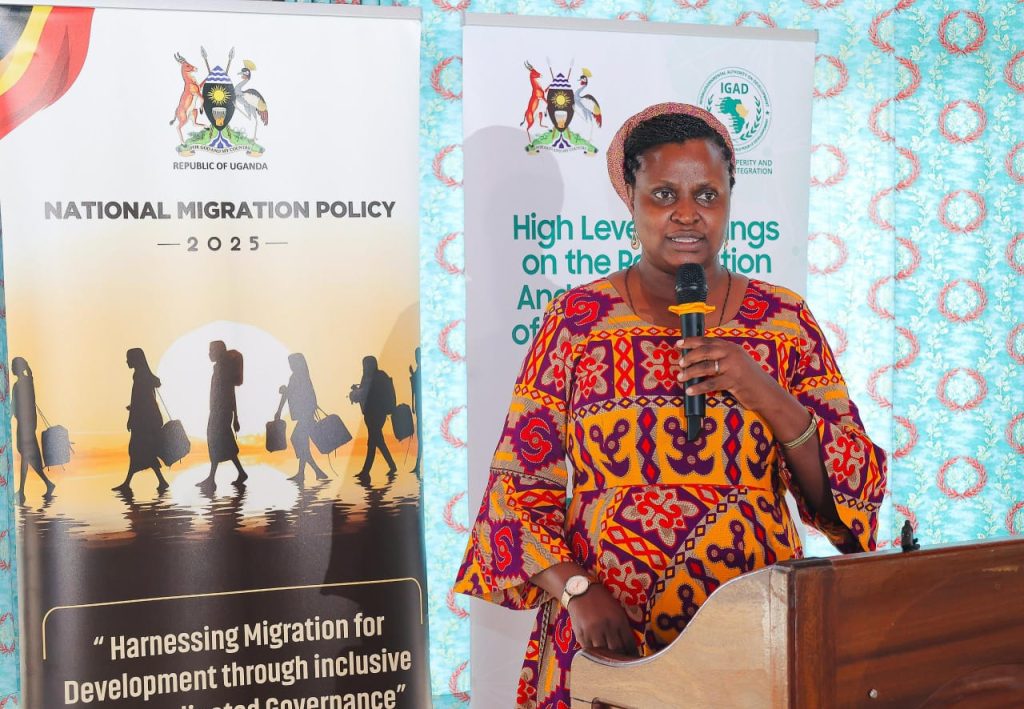
Bigirwa called on cabinet to expeditiously discuss the cabinet memorandum once presented to them to ensure Uganda taps from the benefits that will come with the ratification and domestication of the protocol on free movement of persons.
“The IGAD Secretariat requests the Government of Uganda to fast track this process so that we can launch the process towards the implementation of the Protocol in areas of right of entry, stay and exit, Labour mobility, right to residence and Right of establishment These key building blocks of Free Movement of Persons Regime will create a prosperous and peaceful region,” Bigirwa noted.
According to Ephrem Getnet the chief Technical Advisior International Labour Organisation, the IGAD protocol on free movement of persons can help unlock employment and trade opportunities that have historically been hampered by borders
Getnet explained, “By facilitating movement of people across borders, the Protocol has the potential to unlock new opportunities for economic growth, job creation, skills development, trade, investment, and cultural exchange. Enhanced mobility can strengthen regional connectivity, facilitate the movement of skills and labor, and expand access to employment and livelihood opportunities for Ugandan citizens across the region.”
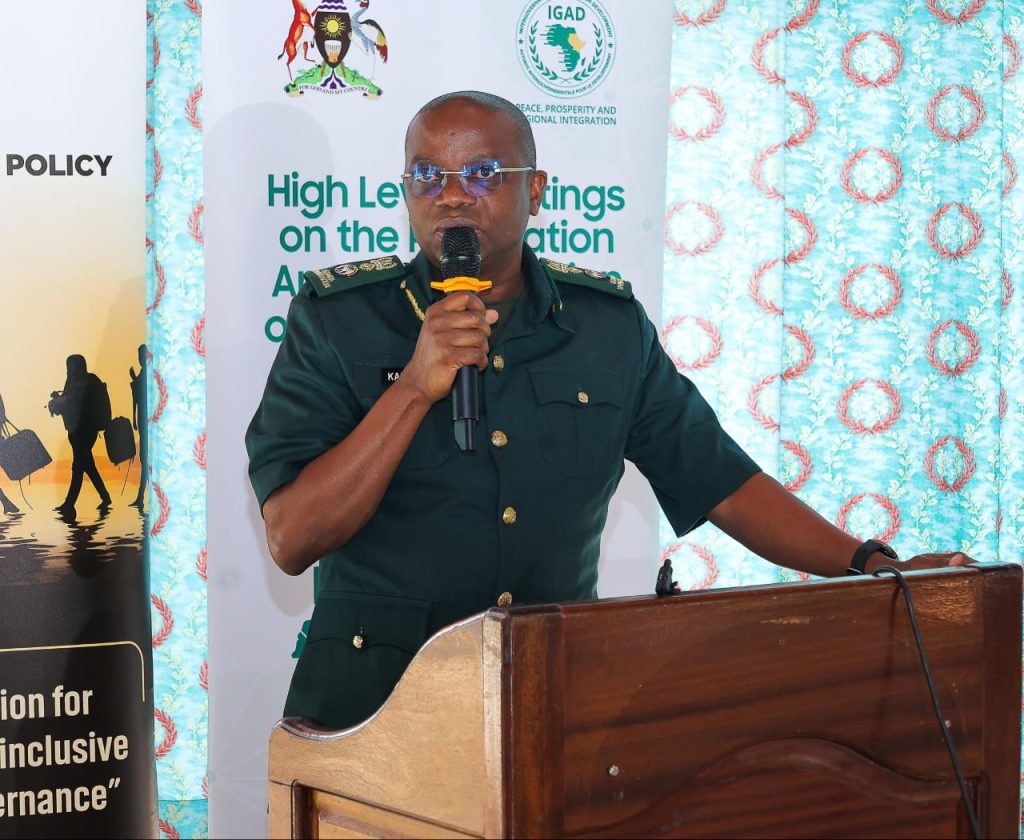
While representing the ministry of internal affairs Permanent Secretary Joseph Musanyufu, the Acting Chief of Citizenship and Immigration Control Geoffrey Kambere emphasized the need for comprehensive public awareness campaigns to educate citizens about the rights and responsibilities that come with free movement across borders.
“Facilitating free movement does not mean removing regulation. On the contrary, it requires stronger systems that enable secure, orderly, and well-managed movement of people across borders. Successful implementation of the Protocol will require a whole of society approach, collaboration across government and with all stakeholders.Immigration authorities cannot achieve these objectives alone,”Kambere emphasized
IGAD embarked on the process of establishment of a free movement regime in 2017.
During the 3rd IGAD ministerial conference on Labour, employment and Labour migration held in 2025 in Nairobi Kenya the ministers responsible for labour and migration committed to expedite the ratification and implementation of the IGAD protocol on free movement of persons.
It is hoped that once ratified and domesticated by all member states the protocol will pave the way for a more integrated and prosperous IGAD regional block