The Secretary, Office of the President, Hajji Yunus Kakande, has urged Administrative Officers to accept ongoing transfers across government institutions, saying the changes were directed by President Yoweri Kaguta Museveni.
Hajji Kakande said officers should not resist transfers or question why some colleagues remain in their current positions, noting that government may retain particular officers because of their experience, competence or institutional knowledge.
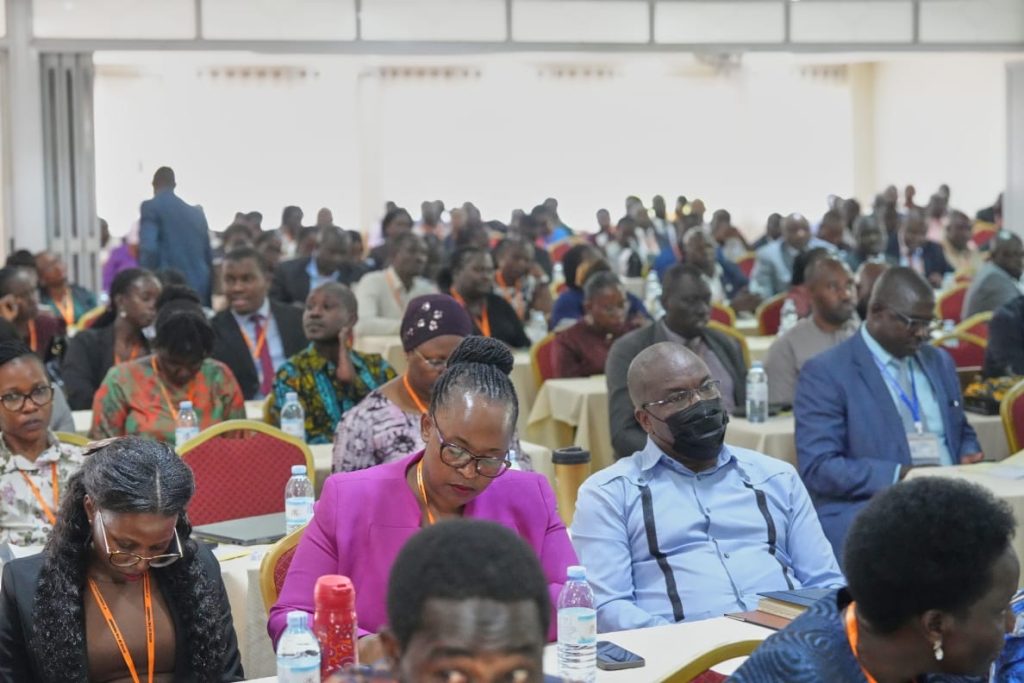
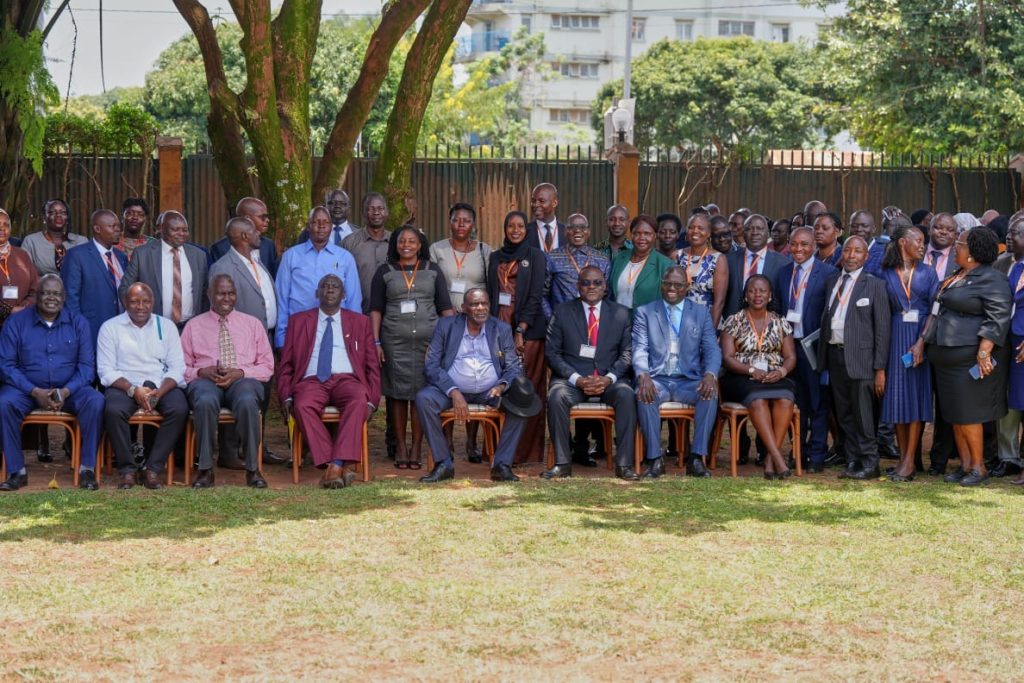
He made the remarks while opening the four-day 6th Administrative Officers’ Forum 2026 at Bomah Hotel Limited in Gulu City.
The forum is being held under the theme, “Awake for Service: Professional Public Administration for Integrity, Accountability and National Transformation.”
It has brought together Undersecretaries, Principal Assistant Secretaries, Senior Assistant Secretaries, Assistant Secretaries and hospital administrators from central government institutions.
Presidential directive on transfers
Hajji Kakande described transfers as a normal part of public administration and asked officers to remain flexible and professional when posted to new stations.
“I wonder why some of you don’t want to be transferred. How could you ask why you are transferring me and leaving the other one around? Actually, it was the President’s directive, which shouldn’t be turned down,” he said.
He reminded the officers that public servants are required by law to serve wherever they are deployed.
“In accordance with the law, you are required to serve in any part of the country. Now why are you refusing? Try to be flexible and professional,” he said.
Hajji Kakande, who said he has served in the Office of the President for about 40 years, said his long stay was not his own decision.
“I have been in the Office of the President for 40 years. It has not been my own making; it is because someone found it prudent that I stay,” he said.
He cautioned officers against writing anonymous complaints against colleagues in an attempt to have them transferred.
Hajji Kakande said some officers are retained in particular positions because replacing them may affect operations.
“There are some officers I have myself and I may defend them. I did not transfer them because I know that if I transferred them, it may not work,” he said.
He challenged Administrative Officers to understand government business beyond their immediate assignments.
“The effective Administrative Officer must understand how the Government works as a system. An Administrative Officer should therefore not be knowledgeable only about his or her immediate desk or assignment. You must understand Government business beyond your immediate responsibilities,” he said.
He asked officers to keep learning through reading, consultation and engagement with more experienced colleagues.
“Read widely, consult, ask questions, participate in professional discussions and learn from experienced colleagues,” he said.
Hajji Kakande also asked administrators to keep up with laws, policies, regulations, procedures, government programmes and reforms affecting their work.
“The Public Service is changing, and the administrator who does not continue learning will inevitably find it increasingly difficult to remain effective,” he said.
Career progression must be earned through merit
Hajji Kakande said the opening of the Undersecretary position to officers from other cadres means Administrative Officers must prove themselves through competence and results.
“Business can no longer continue as usual; you must actively prove your value through exceptional competence, quick responsiveness and measurable results,” he said.
He challenged officers to assess the value they add to their institutions, the skills they are gaining and their readiness for higher responsibility.
“Career progression is no longer guaranteed by tenure, but earned through merit,” Hajji Kakande said.
He also asked senior administrators to mentor junior officers and prepare them for leadership.
“Occupying a senior position is not the final goal. True leadership is measured by the capable successors you build,” he said.
He called on Undersecretaries to mentor, coach and delegate responsibilities to junior administrators while exposing them to different areas of government work.
Integrity, discipline and accountability
Hajji Kakande said public administrators must maintain high standards of integrity and accountability because they handle public resources, official information, procurement, human resource matters and government records.
He asked officers to maintain impartiality, confidentiality, fairness and accountability while following established procedures.
“Your conduct must demonstrate that public service is a trust and not a personal entitlement,” he said.
He warned that indiscipline would not be tolerated in the Public Service.
He asked officers to observe working hours, avoid absenteeism without permission, follow lawful instructions, protect government property and maintain professional relationships with colleagues.
Hajji Kakande also cautioned administrators against corruption and asked them to manage their personal finances responsibly.
“Public service is not a path to sudden wealth. Live within your legitimate means,” he said.
He said officers may invest in lawful businesses to supplement their salaries as long as the activities comply with the law and do not conflict with their official duties.
Hospital administrators part of wider public administration
Hajji Kakande said hospital administrators are part of the wider public administration system and carry responsibilities similar to other government administrators.
He called for better organisation within the cadre and for a clear scheme of service to guide career development and professionalisation.
On remuneration, Hajji Kakande said the Office of the President was continuing to engage relevant authorities on improving salaries and conditions of service for administrators.
“We recently met the President. Now the salaries were increased and the retiring Permanent Secretary also got a fair deal of Shs10 million per month. The Principals’ salary was also increased and the Senior Assistant, you are also coming in,” he said.
He encouraged administrators to pursue master’s degrees, postgraduate diplomas and other relevant qualifications to improve their chances of progressing to senior positions.
PAAU commends Hajji Kakande
The outgoing Chairperson of the Public Administrators Association of Uganda, Dr Freddie Mugunga, said the forum’s theme was timely and aligned with President Museveni’s message of “Kisanja No More Sleep, Kisanja No Corruption.”
Dr Mugunga thanked Hajji Kakande for supporting professional development and creating opportunities for administrators to meet and discuss issues affecting the cadre.
“On behalf of the association, we thank you Hajji for always supporting us. We really needed to be gathering as members of the forum and you supported it wholeheartedly,” Dr Mugunga said.
He also thanked Hajji Kakande for mentoring administrators and supporting them during difficult periods.
Dr Mugunga acknowledged that the ongoing transfers had caused anxiety among some administrators but asked officers to remain united.
“Ever since the issue of transfers came into place, there’s been a frenzy and anxiety among the administrators. We shouldn’t be enemies of ourselves. Not every person will be promoted,” he said.
He said officers may be required to serve in different ministries or parts of the country depending on government needs.
“Some protest, but we remain steadfast,” he said.
Dr Mugunga also raised concerns about reports of some Ministers declining to work with Personal Assistants deployed from the Public Service.
He asked senior officials to support and guide the officers so they can perform their duties effectively.